
10 signs your body is telling you it’s time for a massage
Your body is not subtle.
When it needs something, it tells you — through the tightness that settles into your shoulders somewhere around Wednesday, the headache that camps behind your eyes for three days straight, the restless 2am wakeup where your mind is quiet but your muscles won’t let go. Most of us have learned to treat these signals as background noise. Part of life. Just how things are.
They’re not. They’re your body asking for something specific.
Here are 10 things it might be trying to say.
Sign 1: Your back or neck has been tight for more than a week
There’s a difference between a muscle that worked hard yesterday and a muscle that has been holding tension for days. The first is effort. The second is a pattern — and patterns don’t resolve on their own.
Persistent tightness in the lower back or neck usually comes from one of three places: sustained posture that loads the same muscles repeatedly, unresolved physical exertion that the body never fully recovered from, or stress that the body is storing as physical contraction. In any of these cases, time alone doesn’t fix it. The muscle needs direct, targeted work to release what it’s been holding.
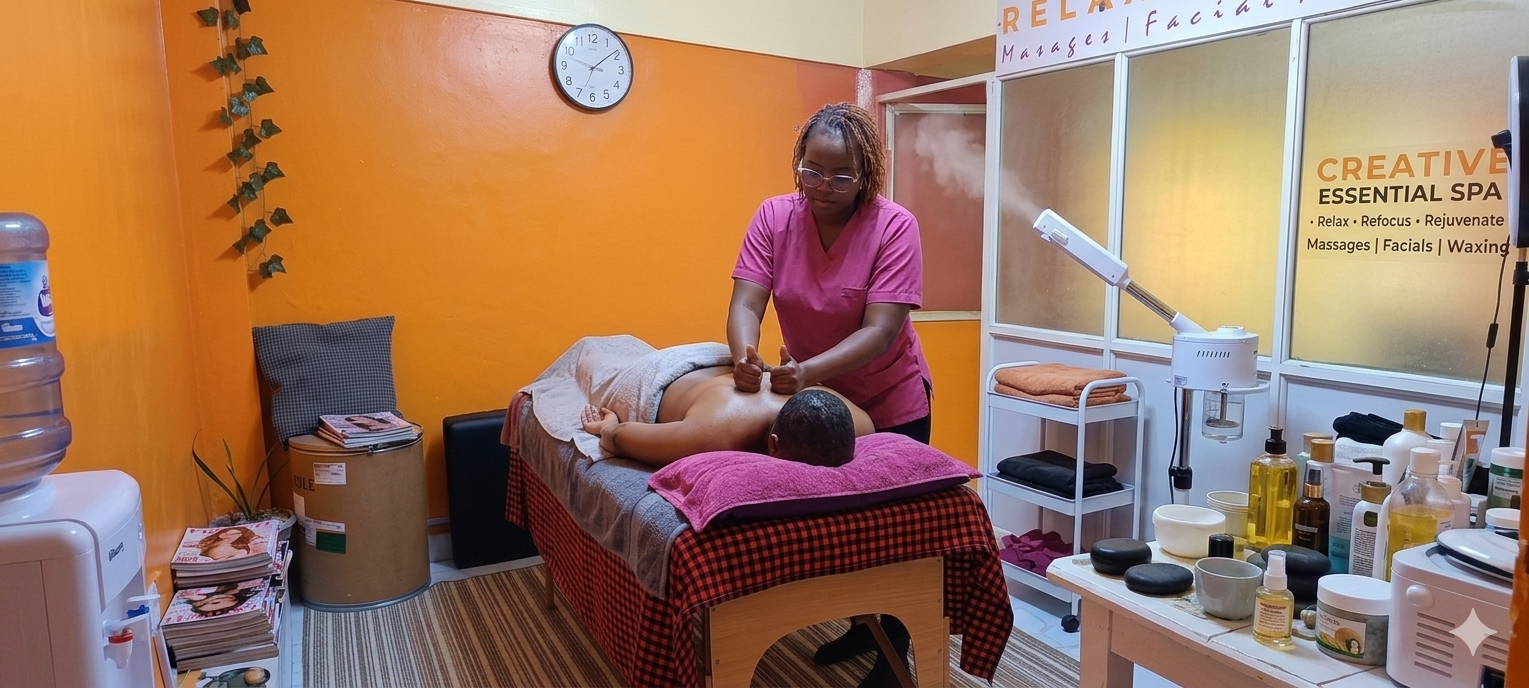
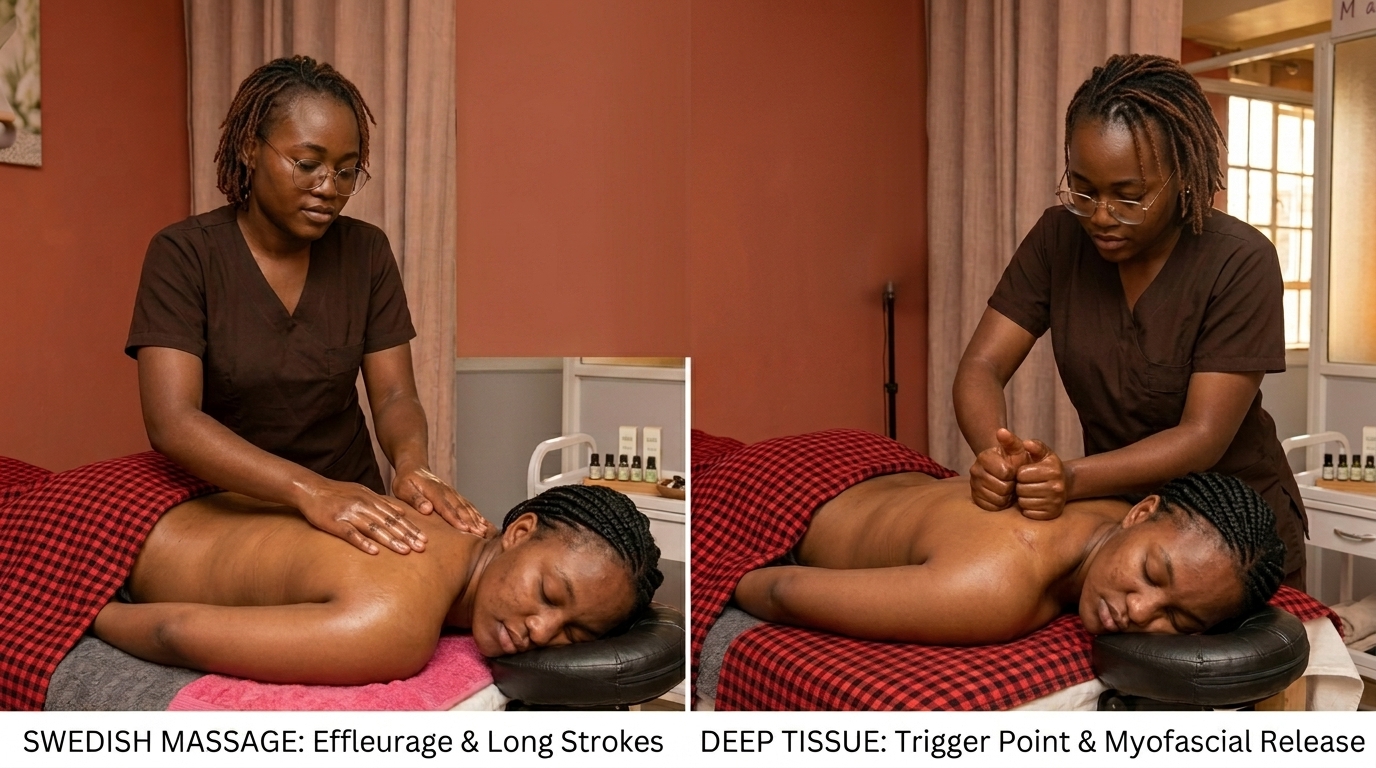
A deep tissue massage addresses the deeper layers of muscle and connective tissue where chronic tension lives. If the problem is concentrated in the neck and shoulders specifically, a Banesh massage targets that area precisely in 30–45 focused minutes.
Sign 2: You spend most of your day sitting at a desk
The human body was not designed for eight hours in a chair, and it will let you know.
Prolonged sitting shortens the hip flexors, rounds the shoulders forward, and pushes the head out ahead of the spine — a position that adds up to 10kg of effective load on the cervical vertebrae for every inch of forward lean. This often feels like nothing until it feels like everything: the stiff morning, the afternoon slump, the neck that won’t turn fully to the right.
The insidious part is that it happens slowly. By the time it’s uncomfortable enough to notice, the pattern is already well established.
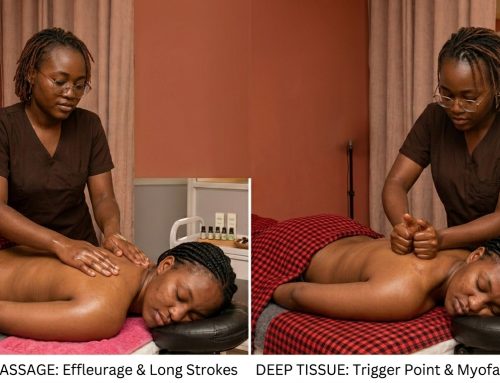
A Swedish massage resets the full body — releasing the hip flexors, opening the chest, lengthening the shoulders back to where they belong. For desk workers with specific lower back involvement, deep tissue work on the lumbar and hip area makes a significant and immediate difference.
Sign 3: You can’t seem to fully relax, even when you’re resting
You sit down. You’re not doing anything. But something is still running.
This is the nervous system stuck in a low-grade activation state — not full fight-or-flight, but not genuinely at rest either. Muscles remain partially contracted even when you’re lying on the sofa. Sleep comes but doesn’t fully restore. You’re always slightly braced for something, even when nothing is coming.
This is one of the least-recognised signs that the body needs intervention, because it doesn’t announce itself as pain. It announces itself as a vague inability to switch off.
Aromatherapy massage is the most effective treatment for this state. The combination of therapeutic touch and specifically chosen essential oils — lavender, ylang ylang, or frankincense depending on what the body needs — directly activates the parasympathetic nervous system. It is the physiological opposite of stress. Most clients fall asleep on the table. That is the point.
Sign 4: You’ve been getting more headaches than usual
Most tension headaches don’t start in the head.
They start in the suboccipital muscles at the base of the skull, or in the trapezius — the wide muscle that runs from your neck across your shoulders. When these muscles stay contracted for long enough, they refer pain upward into the head in the distinctive band-around-the-forehead or pressure-behind-the-eyes pattern that most people treat with paracetamol and carry on.
The paracetamol addresses the symptom. Massage addresses the source.
If your headaches have become more frequent — especially if they tend to arrive in the afternoon or after a long day at a screen — a Banesh massage works directly on the neck, upper shoulders, and base of the skull where the tension originates. Many clients report that headaches that have been recurring for weeks resolve within days of a single session.
Sign 5: Your sleep is broken, or you wake up feeling like you never rested
Poor sleep is one of the most common complaints in modern life, and one of the most treatable through bodywork.
Elevated cortisol — the stress hormone — suppresses melatonin production and keeps the nervous system alert through the night. Unresolved muscle tension means the body never fully deactivates, so sleep cycles remain shallow. You may clock eight hours and feel like you had four.
Massage reduces circulating cortisol measurably. It also increases serotonin production, which is the precursor to melatonin. The effect on sleep quality is not immediate for everyone, but a consistent pattern of regular massage produces significant improvement in sleep depth over time.
An evening aromatherapy massage with a lavender and chamomile blend is the most targeted option for sleep-related tension. If you’re staying at a lodge or Airbnb in Naivasha and can’t easily travel in the evening, our mobile spa service brings the treatment directly to your room.
Sign 6: You exercised recently and your muscles are still sore 48 hours later
Some post-exercise soreness is normal. Soreness that persists beyond 48 hours is the body telling you that the recovery process has stalled.
Delayed Onset Muscle Soreness (DOMS) beyond the two-day window typically means lactic acid clearance is incomplete, local inflammation hasn’t resolved, and the micro-tears that are a normal part of training haven’t been supported back to repair. Rest alone slows this process. Active recovery — specifically massage — accelerates it by improving circulation to the affected muscles, reducing inflammation, and restoring full range of motion.
This is as relevant for someone who just cycled through Hell’s Gate gorge as it is for someone three days out from a track session in Naivasha.
A deep tissue massage at 60 or 90 minutes targets the specific muscle groups that bore the load. Tell the therapist what you were doing and where it hurts — they’ll know exactly where to work.
Sign 7: You feel emotionally flat, irritable, or mentally foggy
This one surprises people.
Chronic physical tension suppresses serotonin and dopamine production. When the body is in a sustained state of muscular contraction — which most stressed people are, most of the time — it deprioritises the neurochemical processes associated with mood, motivation, and cognitive clarity. This is why burnout feels physical as well as emotional. The body and the mind are not separate systems.
Massage has a measurable effect on mood neurotransmitters. Studies consistently show significant reductions in cortisol and increases in serotonin and dopamine following a session. Clients often describe a shift in perspective after a massage that they can’t fully explain — things that felt heavy before the session feel lighter afterward.
If you’ve been flat, irritable, or foggy for longer than feels normal, your body may be carrying more than your mind has acknowledged. Aromatherapy massage is the most powerful treatment for this particular state — the olfactory component of the essential oils reaches the limbic system, the part of the brain that regulates emotion, directly and immediately.
Sign 8: You have a recurring pain or tightness in one specific area
If the same place hurts or tightens up repeatedly — the same spot between the shoulder blades, the same forearm, the same hip — that is a pattern, not bad luck.
Repetitive strain patterns develop when a particular movement or posture loads the same tissue again and again without adequate recovery. The body compensates: other muscles take on extra work, movement patterns change subtly, and over time the original site of strain becomes reinforced by a wider web of compensatory tension. Left unaddressed, a recurring niggle becomes a chronic problem.
Massage addresses the myofascial component of repetitive strain that stretching and physiotherapy alone often miss. Deep tissue work on the specific area, combined with broader release of the compensatory muscles around it, can break a pattern that has been building for months. When you book, tell the therapist exactly where the recurring issue is and how long it’s been happening — that context shapes the whole session.
Sign 9: You’ve been under significant stress and you can feel it in your body
Stress is somatic before it becomes psychological for most people.
It arrives as the jaw held slightly clenched through the afternoon, the shoulders that sit two centimetres higher than they should, the stomach that stays vaguely knotted through difficult periods. The mind often doesn’t register this as a problem because it’s focused on whatever is causing the stress. The body just holds it — quietly, continuously, at a cost.
The body does not distinguish between types of stress. Work pressure, life transitions, grief, uncertainty — all of them produce the same physiological response: cortisol, muscular contraction, nervous system activation. All of them are helped by the same intervention.
An aromatherapy massage is the most targeted treatment for stress-held tension. For periods of sustained difficulty — the kind where a single session feels insufficient — our Pamper Journey is the full-day reset: body scrub, 90-minute massage, and facial, designed for the moments when you have genuinely been running on empty for too long.
Sign 10: It’s been more than a month since your last massage
This one is the simplest, and the most commonly ignored.
The body held in good regular care needs less intensive intervention. Monthly massage keeps muscular tension from accumulating to the point of pain, keeps the nervous system regularly reset, and maintains a baseline of physical ease that makes everything else in life marginally easier. It is maintenance, not luxury — in the same way that regular exercise is maintenance, not indulgence.
If you can tick off even one other sign from this list alongside this one, that’s your answer.
Book your next session at Creative Essential Spa → Or WhatsApp us for same-day bookings →
Frequently asked questions
How do I know if I need a massage?
If you have persistent muscle tension, recurring headaches, broken sleep, or simply cannot fully relax, your body is likely overdue for a massage. A practical rule: if more than one sign on the list above sounds like your last week, that’s your answer.
How often should I get a massage?
For general wellness maintenance, once a month is the minimum that produces lasting benefits. For chronic tension, high stress, or regular athletic training, every two weeks is more appropriate. At Creative Essential Spa we offer treatments at different durations to make regular massage practical, not just occasional.
Can massage help with anxiety and stress?
Yes. Massage measurably reduces cortisol levels and activates the parasympathetic nervous system — the state of rest and recovery that the stressed body rarely reaches on its own. Aromatherapy massage, in particular, combines physical tension release with direct nervous system intervention through scent and is our most requested treatment for stress-related tension.
What type of massage is best for stress?
Aromatherapy massage is the most effective for stress — it works on both the muscular and neurochemical levels simultaneously. Swedish massage is the best option for general full-body relaxation. If your stress is concentrated in the neck, shoulders, and jaw, a Banesh massage targets exactly those areas.
Is it normal to feel like I always need a massage?
Yes — and it usually means your body is not getting enough recovery between the demands placed on it. Rather than waiting until the tension becomes pain, regular monthly massage keeps the system balanced. If the feeling is constant regardless of how recently you’ve had a session, it’s worth discussing with your therapist during the appointment.
If three or more of these sound like your week — that’s your answer
You don’t need every sign to apply. You need enough of them to recognise that your body has been patient, and you’ve been busy, and the gap between what it needs and what it’s getting has been growing quietly for a while.
That gap closes in about 60 minutes..
Book at Creative Essential Spa → WhatsApp us for same-day and mobile bookings →
Can’t make it to us? We come to you. Our mobile spa service covers hotels, lodges, Airbnbs, and homes across Naivasha. Same-day slots available.
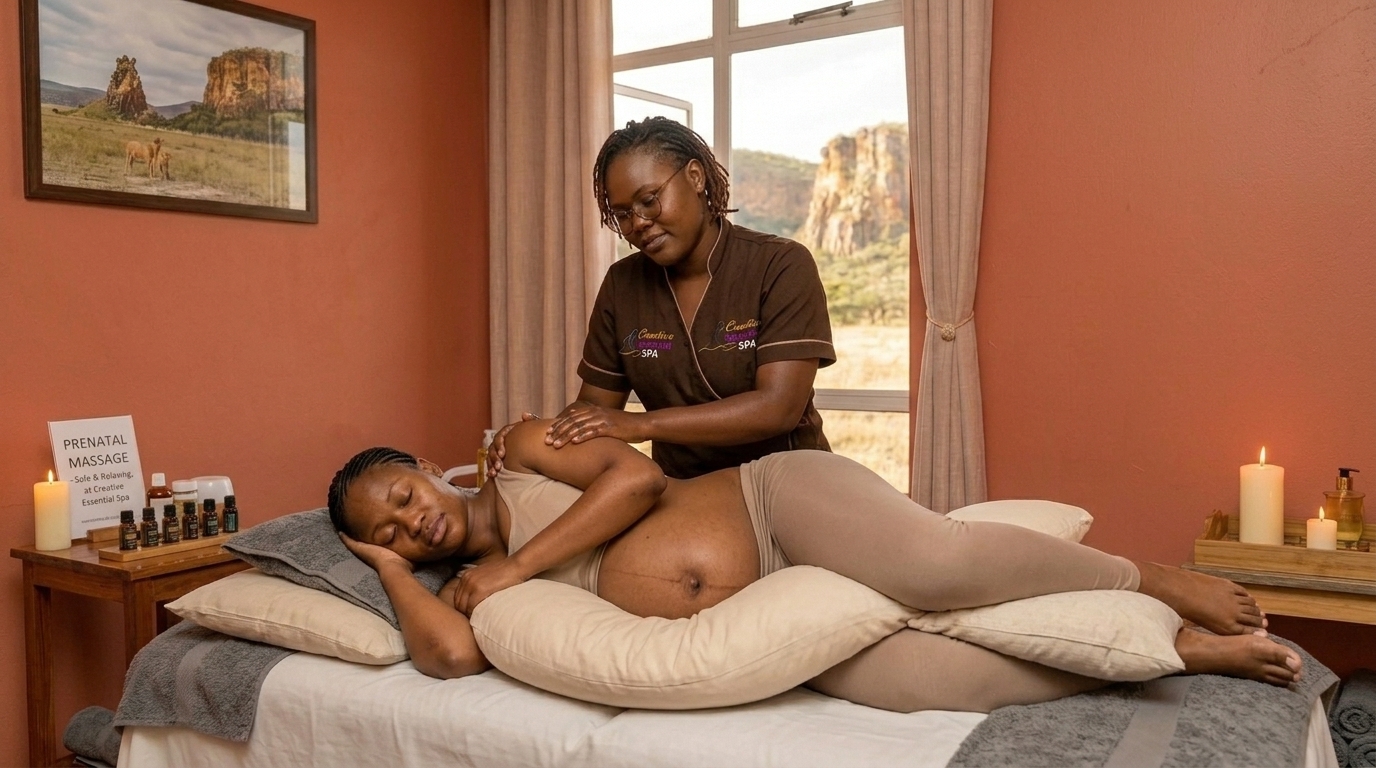
Creative Essential Spa is Naivasha’s leading massage and wellness spa, offering deep tissue, Swedish, aromatherapy, Banesh, couples, and prenatal massage — in-spa and mobile. Open Monday–Saturday 8:30am–8:00pm, Sunday 11:00am–5:00pm. Located in Naivasha Town.